A Mother Asks

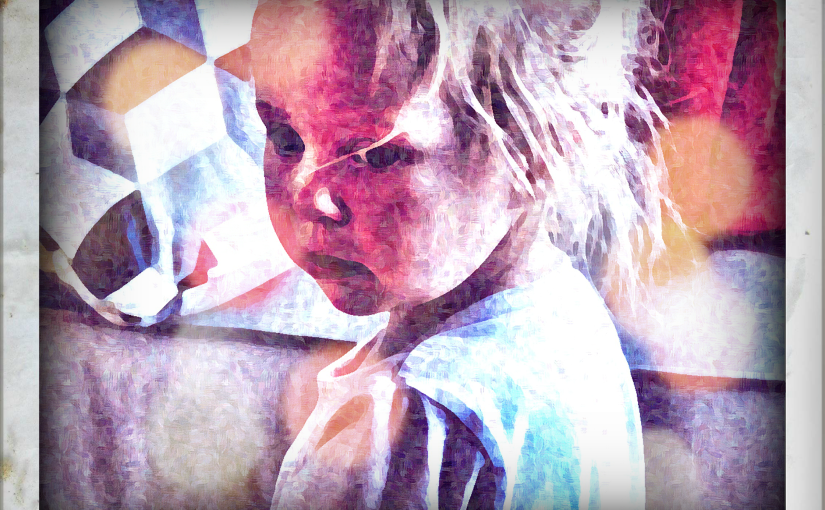
How to receive a child
whose untimely arrival
serves only to punctuate
existing turmoil; whose
cries further entrap
a despondent mother…

How to love a child
who differs markedly
from gifted sons
from idyllic daughters
bears only resemblance
to the crime’s perpetrator

a child who lacks
the finesse so carefully
imbued in siblings –
fiery eyes and attitude,
preferring solitude of nature
to niceties of family life

How to guide this child,
this symbol of a past best left
behind, this burgeoning woman
defying all expectations –
this enigmatic burden?

(Follow up to this poem is:  A Child Responds)


Appetite

The initial spoonful –
salted caramel cool –
consoles bitten tongue,
slides down burning throat:
appeasement for churning gut.

Each spoonful savoured
sweetness countering bile,
dark chocolate shavings
as bittersweet as the emotion
being pushed down, buried

Bruised by conflict,
words ineffectual,
ice cream an unworthy
compensation, cravings
turn to salty reprieve.

Cryptic

Is the writing on the wall so cryptic –
graphic images depicting rage,
flames of dissonance,
young men bleeding at their own hands
compassion incapacitated.

A sad awakening for a society fixated
on rights and privileges, dominating
culture to the exclusion of nurturing
humanity, preserving lives.

How can we continue to closet
our children’s pain – their vitality
oozing – hopelessly abandoned
by morality’s shelter?

It is the wall, not the spatters
of blood upon it,
which needs amending –
adolescent minds too tender
to wade through the cryptic messages
of priorities so divided.

Contracting

Problematic situations
invite expansion – ego
near the point of torment

I am outcast –
newcomers fail to understand –
this missing motor

so I retreat –
into distraction
fail to reveal
caregiver

left to seek
scattered connections
self-absorbed

needy, settled
idly moving towards
desolation

abandoned on the edge
of initiation –
ego contracting.

A Falling Out

Drunken bodies –
silhouettes of adults –
ignore posted warnings
and locked gates –
clumsily scale fences
and plunge into dark,
their hoots echoing
between uniformly
lined-up balconies –
pristine rows of duplicate
houses, trimmed beds
and cement curbs
punctuating order.

I watch, horrified,
feel the bile rise,
have signed responsibility,
will bear the brunt
of any damage –
am burdened with worry
unwilling and unable
to take such a risk;
walk away and await
the fallout…

A vainless fret –
two old women
testing the rules,
stretching the limits
of structured guidelines
more ridiculed than
prosecuted, but the rift
has been solidified

used, I feel, and
disrespected, enraged –
not yet able to examine
the tension settings
of self-imposed restraints,
carefully guarded decorum
choking out compassion –
sensibility rattled.

(The story behind the poem is posted at One Woman’s Quest II)

Blessings

Mother’s feet scream –
agony of her miserable condition,
underlying disease eating her.
My feet, free of calluses,
paddles slightly bent and fallen,
carry on with forgiving kindness.

Husband’s knees are red-hot pokers
shooting knife-sharp volts
with every rickety step.
Mine are knots in spindly
trunks that bear movement
graciously, allot me flexibility.

Father’s back grew weak
faltering in the end, hunched,
as if he’d born a cumbersome burden.
My back, not without its moaning,
carries me proudly erect –
like the spring sapling, winter endured.

Uncle’s heart beats erratically,
ceasing despite its mechanical support,
his life a testimony to modern science.
My heart flutters with expectancy,
aches with disappointment,
and soars with each new birdsong.

Sister’s tension rises,
the stiffness in her neck suffocating,
headaches blinding her vision.
My neck, slung now like a rooster’s,
puffs around my face like an old friend,
allows me the comfort of perspective.

Brother’s mind has seized,
lost somewhere between today
and yesteryear – never certain of either.
Mine, a constant churning cog,
gathers information, spews ideas
and bends in the face of creativity.

My eyes have seen suffering,
my hands throbbed with desire to help;
yet each bears their cross stoically,
and so I watch with compassion
and gratitude for the life I might have lived,
had my own vessel not been so blessed.

(This is an edited version of an earlier post by the same name.)

There, There

I wrestle with sleep –
need overpowered by unease,
senses on high alert,
as if a child
trying to intuit
the degree of volatility
in father’s drunken slur

what will it take
to find rest,
to reassure
the littles
that the tyrant is gone

and life will unfold
as it will
without the stress
of constant monitoring.

Dear Sylvia Plath (Response to Apprehensions)

Please let me preface with a confession –
I am not familiar with your work.
It is not oversight on my part, rather
a deliberate avoidance – you see,
I too have faced the brand of madness
that drove you to your death, have
feared that any intimacy we might share
would stir my own apprehensions.

Indeed, I understand all too well
the presence of walls,
have believed in the power of sky,
the promise of green, found faith in angels –
nature my solace – realized too young
that the sun’s brilliance, that my brilliance
cannot be sustained by the innocence of white –
bleeds at the fate of indifferent stars.

I understand how gray seeps in,
tears away at the illusions,
entraps us –
how the past stalks, spirals
threatens to suck us in, and how
having lost my own connection to birds and trees,
wonderment sours.

It is the fate of women
born into patriarchal times,
that the blood of our menses
should colour our fists –
our fury as potent as a paper bag –
how can we not feel terror
when we worship a God
whose religion disparages our gender?

I have faced the inevitability of black –
what once brought solace having lost
its definition, unidentifiable –
have faced mortality, the cold blank
stares of death still haunting –
I am the one who has passed you by –
afraid to linger too long in your words,
have woefully overlooked
the merit of a sympathetic read.

napo2018button1

(Today’s prompt is to write a response to a poem by Sylvia Plath.)