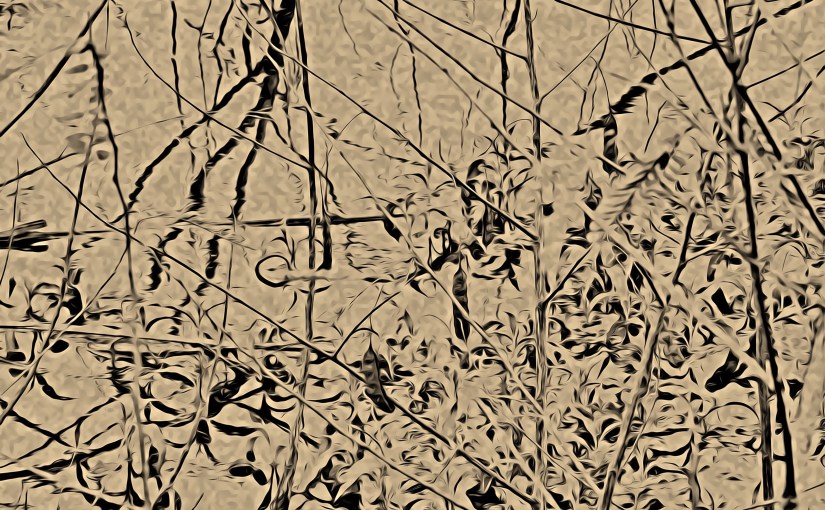
No More Than a Sparrow

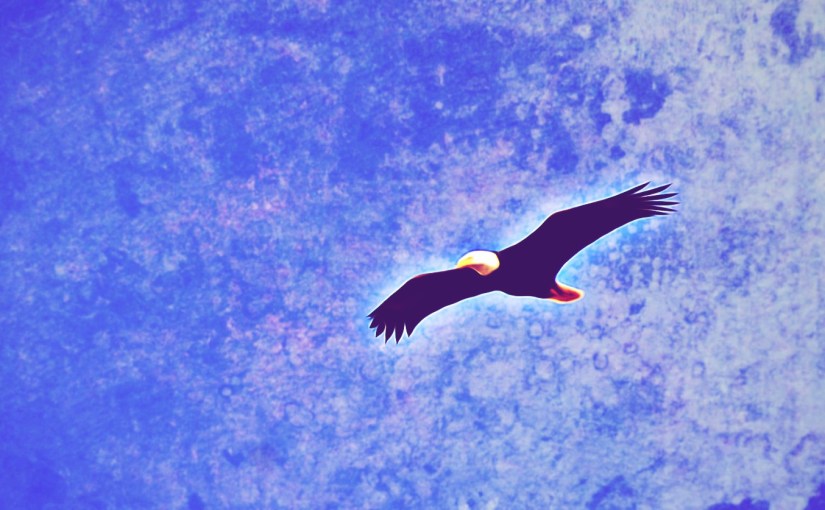
No more than a sparrow, am I
numbered among the ordinary;
brightly I sing, though inwardly shy
of people and shadows I am wary.

Numbered among the ordinary
I flit about virtually unseen –
of people and shadows I am wary,
head down I carry out my routine.

I flit about virtually unseen,
require little to make me content;
head down I carry out my routine
forage between furrow and cement.

Require little to make me content,
brightly I sing though inwardly shy,
forage between furrow and cement,
no more than a sparrow, am I.

(dVerse’s form of the month is the Pantoum.  Image is from my own collection.)


He’s Gone

In darkened room
I lie, willing blackness
to obliterate blackness.

A scream, unearthed
from dankness
shatters the silence,
echoes off heartless walls,

shock waves reverberate
relentless torment

seventeen years…
committed, no…
dedicated

ripped away

leaving me

nothing

I fall, spiral
reel out of control

breaking down

tomorrow,
the children will return
the house will fill again,
and I will pick up
these shards,
piece together
some semblance
of normalcy,
and begin
to rebuild

in the dark.

(Written for dVerse pub, where Lillian is hosting with a challenge to focus on time:  “To everything there is a season…”)


March Madness

Winds picked up yesterday, gathering grey.  Cold seeped in through the windowsills, and we set the furnace on high.  Forecast for today is just above zero, even though we are in a tropical zone.  Oh well, I decide, a nice spicy soup will warm our innards.

Seems my body mirrors the weather: health declining, forcing me to bedrest frequently.  Have slept most the morning.  In between, I check emails, the blog, and we speculate about what will happen next with Mother Nature.  Soon, it will be time to venture home – a both welcome and sorrowful thought.

Confused winds blow cold,
winter reversing itself –
piquant soup simmers.

(It’s haibun night at the dVerse pub, hosted by Merril who challenges us to write about March Madness.  I am also linking up to Ragtag Community’s prompt: speculate and Fandango’s: health.)

What Scars Remain?

Should I escape these shackles,
manage to re-surface, swim
despite this weakened condition
against the currents of disability,
find myself once again on the
solid grounds of civilization;
will I be embraced with cheers
of victory, or slotted into some
backroom, reserved for the fallen,
spoken to in hushed tones,
forever handled at arms length,
an object to be feared?

And if I manage to fight these
bonds that for so long have
threatened to annihilate,
will I have the bravery to face
the calling that once defined me,
shake off the cobwebs of
disorientation, defy the
certainty of unpreparedness,
draw from the well of past
experiences and rise to
a new battle, proving the
validity of my return?

Or, with freedom, do I look
to opportunity, clear the slate
of former ambitions, rewrite
the pages of my destiny,
embrace an attitude of
rebirth, decide to relinquish
the sword, cut my losses
and redefine a new, gentler
way of being in the world,
less dependent on a system
which undoubtedly propelled
this descent in the first place?

(For Reena’s Exploration Challenge.  Reena gives us a choice of prompts.  I have chosen  ‘disorientation’.  What Scars Remain was first written in August 2016.

A 60’s Childhood

Formative years were more destruct
than construct; contradictions riddled

the foundation of our familial structure:
one man tyrannized five females while

in the news, women marched for equality;
called the likes of him a male chauvinist.

Aunt drove a forklift truck, looked like a man,
chalked one up for women’s liberation, didn’t

talk about her sexuality; shadow of illegality
hovering around her – no one dared to ask.

At nine, I questioned the fairness of being
born a girl in a man’s world, felt impassioned

by feminist cries, yet feared my mom would
leave the nest, abandon baking, domestics;

leave us to fend for ourselves – the warm waft
of fresh-baked goods greeting us each day, gone.

Watched my sisters flaunt their womanly ways
for virile young men who flocked to see bikini

clad bodies, ripe and tanned by the sun – who
was reducing whom to sex objects? And when

my mother’s family came to visit, why were the
men’s hands so invasive, their tongues equally

misplaced, and was this what women in the streets
were crying out against? I wanted to be free, explore

my future prospects – open road ahead – but Mother
said boys will be boys, and men don’t like smart

women, and better to drop out of school at sixteen,
get a secretarial job, and be ready when your prince

arrives – so I rebelled, cut my hair, flaunted my
intelligence, spoke up about inconsistencies,

such as why is a God a He, and why Aunt didn’t
ever date – did feminist mean celibate? and why

when women were so oppressed and men had
all the power, did my father wish he could be one?

Formative years more destruct than construct;
a deviate imprint tainting normalcy’s prospects.

(A 60’s Childhood first appeared here in September, 2016.  My challenge this week is story.  Click on the link to join in.  Computer is currently in the shop – so I have set this post up in advance.  Sorry if it takes me a bit to get back to you. Image from personal collection.)