Good Woman

Cater,
Good Woman; keep your pantry full –
there are mouths to feed, and
whims to answer,
smile on.

Smile on,
Good Woman, feed the children young
and old, their needs cry out
for nourishment;
be strong.

Be strong,
Good Woman, tending your oven,
concocting recipes,
born to serve, raised
to please.

To please
Good Woman, be sure your own pot
is overflowing, lest
fatigue sets in,
and then

And then,
Good Woman, who caters to you –
the children are gone and
husband retired –
what now?

(This is a Crown Cinquain written for Dark Side of the Moon’s challenge.)

Accustomed to the Dark

Nine months of incubation –
dark, watery womb of life –
emerge to blinding brightness,
learn to covet the light –
yet our soul struggles, defies
ego’s hold on certainty –
fights against conformity,
draws us back to the tomb –
deep into the mysteries,
where discomforted, challenged
we grow accustomed to the dark.

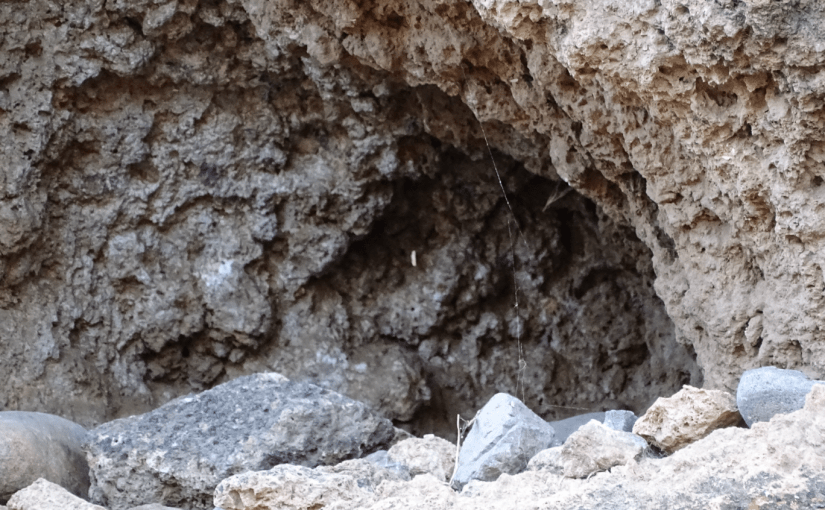
(For Reena’s Exploration challenge, which this week asks us to end our work with: “We grow accustomed to the dark.”  Image from personal collection.)

Scars and Survival

Stitches, I’ve had a few
Casts and splinters and slings
Avoided the C-word
Radiation not needed
Surgery did the trick

Some scars invisible
Underlying lesions
Remnants of
Volcanic-sized disruptions
Instinctually I strive
Visualize a better day
Accept life’s challenges
Live with fullness.

(For Reena’s Exploration Challenge: scar

(Self) Portrait of a Waitress

Jumbo Jet
they called her –
fast on her feet,
zooming in,
swooping up trays,
delivering with flight
attendant flair.

When did she turn
to autopilot,
stop paying attention
to her destination?

Didn’t she know
she was set
on a crash course,
headed for disaster?

Tried to warn her,
wake her from stupor;
told me she’d reset,
but danger remains.

She is cruising now –
over-sized
turbo-lacking
under-fuelled,
no longer able
to soar – trapped
in a treacherous game.

Waits tables,
tries to keep
a clean house,
caters to others,
lends an ear,
has squeezed
every drop of self
into a low flying life

needs to land
a space of her own,
with room to breathe;
take life in shorter
intervals, refill
her jets.

(Portrait of a Waitress first appeared in April of 2016.   I am re-introducing it here for Ragtag Community’s prompt: jet.)


The Key

Found a key
stashed away
forgotten

origin unknown
purpose equally
mysterious

an inkling
seeping regret –
too late

realization
dawns –
I’m the keeper

and the treasure –
hold the power,
except

No one told me.

Gave it all away

Found a key
stashed away
lock long broken.

statue-2429015_960_720-1

(This poem was inspired by the image Hélène supplied for her What Do You See? challenge.  The poem was having difficulty forming itself, but when I saw Reena’s image for her Exploration Challenge, the pieces fell together.  Thank you both for prodding my muse.)

No More Than a Sparrow

No more than a sparrow, am I
numbered among the ordinary;
brightly I sing, though inwardly shy
of people and shadows I am wary.

Numbered among the ordinary
I flit about virtually unseen –
of people and shadows I am wary,
head down I carry out my routine.

I flit about virtually unseen,
require little to make me content;
head down I carry out my routine
forage between furrow and cement.

Require little to make me content,
brightly I sing though inwardly shy,
forage between furrow and cement,
no more than a sparrow, am I.

(dVerse’s form of the month is the Pantoum.  Image is from my own collection.)


A 60’s Childhood

Formative years were more destruct
than construct; contradictions riddled

the foundation of our familial structure:
one man tyrannized five females while

in the news, women marched for equality;
called the likes of him a male chauvinist.

Aunt drove a forklift truck, looked like a man,
chalked one up for women’s liberation, didn’t

talk about her sexuality; shadow of illegality
hovering around her – no one dared to ask.

At nine, I questioned the fairness of being
born a girl in a man’s world, felt impassioned

by feminist cries, yet feared my mom would
leave the nest, abandon baking, domestics;

leave us to fend for ourselves – the warm waft
of fresh-baked goods greeting us each day, gone.

Watched my sisters flaunt their womanly ways
for virile young men who flocked to see bikini

clad bodies, ripe and tanned by the sun – who
was reducing whom to sex objects? And when

my mother’s family came to visit, why were the
men’s hands so invasive, their tongues equally

misplaced, and was this what women in the streets
were crying out against? I wanted to be free, explore

my future prospects – open road ahead – but Mother
said boys will be boys, and men don’t like smart

women, and better to drop out of school at sixteen,
get a secretarial job, and be ready when your prince

arrives – so I rebelled, cut my hair, flaunted my
intelligence, spoke up about inconsistencies,

such as why is a God a He, and why Aunt didn’t
ever date – did feminist mean celibate? and why

when women were so oppressed and men had
all the power, did my father wish he could be one?

Formative years more destruct than construct;
a deviate imprint tainting normalcy’s prospects.

(A 60’s Childhood first appeared here in September, 2016.  My challenge this week is story.  Click on the link to join in.  Computer is currently in the shop – so I have set this post up in advance.  Sorry if it takes me a bit to get back to you. Image from personal collection.)