“I know what I want to give my Father.” Dee looked at me through her veil of blonde hair. Her face always bore such sweetness, yet the young girl I knew was so intense.
“Tell me.”
Dee was dying. This was her third dance with cancer, and the doctor’s said it would be her last. I visited daily, at her request, and we talked about fears, and dreams, and spirituality. Lately, it had been on her mind that if her life was to be a short one (23 years), then she had to make it purposeful.
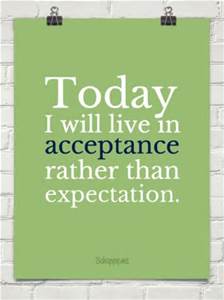
“I have decided that the best gift I can give him is to accept that he loves me, even if he doesn’t show it the way I’d like. What do you think?”
Dee and her father had been fighting since the news came. He wanted to take her home, but she refused. She wanted to die here, in the town she had been living the past four years. He couldn’t understand her unwillingness to fight in the face of death. He wanted the doctors to do more. She wanted him to let it go, and to be more emotionally available to her. We had been discussing their relationship during my past two visits.
“I think that is an amazing gift, Dee. I am forty years old, and I haven’t even been able to do that with my own father. That’s the best gift ever.”
* * *
Dee had me thinking. What would happen if I were to accept my father, just as he was?
Dad’s 75th birthday was coming up and I hadn’t yet bought him a gift.
He had asked for my acceptance once, and I’d said no. It was the night he shared with me his awful secret. He sat the family down and told us all. He said that all he wanted was acceptance, and when he turned to me I said I couldn’t do it. I said I needed my Father, and what he asked of me was too much. I stormed out.
So, on his 75th birthday, I wrote him letter. I apologized for that girl so many years ago, and I told him that I never really understood his problem. I told him that I knew he loved me, and that I loved him too. And I said that when I got past all my self-righteous anger and frustration, I had to admit that he was probably the best teacher I ever had in life. If it hadn’t been for his struggles and the challenges they presented for all us, I might never have been the person I was. If there is a divine plan, or higher purpose for life, I wrote, then he accepted a hellish existence in order to give us the opportunity to grow and evolve.
He cried when he read it, and he called me up after, and said I had an odd way of looking at life, but that he appreciated it. He appreciated it that I was willing to accept him as he was, but he wanted to be better. Did I think it was too late?
I told him what Alan Cohen said: “Look in the mirror. If you see yourself looking back, then there’s still time.”
* * *
Dee’s father liked his present, too. His anger had broken the next time I saw him, and he even let me see him cry.
 One Woman's Quest